
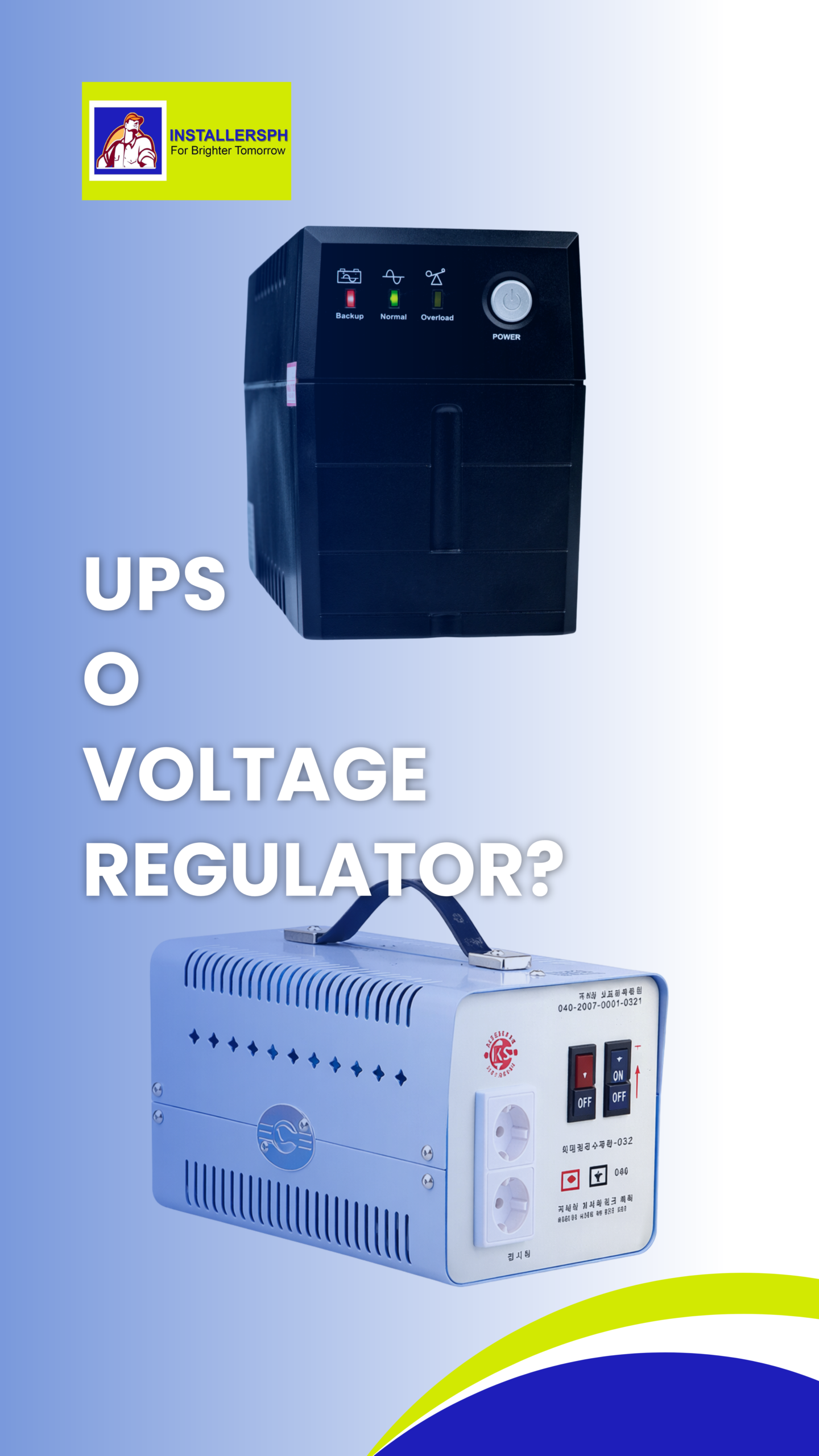
UPS o voltage regulator? October 6, 2026 Carol Jhane Canitan Video. https://youtube.com/shorts/qdMnD8_F36E UPS or Voltage Regulator: Which One Do You Need? Introduction. Power problems can affect computers, POS systems, network equipment, and …
How Does an RFID Automatic Boom Barrier Work?
How Does an RFID Automatic Boom Barrier Work?
Introduction.
Controlling vehicle access is an important part of maintaining security and organization in subdivisions, offices, warehouses, parking areas, and other facilities. One technology that makes this process more convenient is an RFID automatic boom barrier.
Instead of requiring a guard to manually check every vehicle and open the gate, an RFID boom barrier can automatically identify authorized vehicles and control access. When a registered RFID tag is detected, the system verifies the vehicle and raises the barrier automatically.
The process may seem complicated at first, but the basic operation is straightforward. From detecting the RFID tag to verifying access and closing the barrier after the vehicle passes, this guide will walk you through how an RFID automatic boom barrier works.
Step 1: RFID Tag Is Installed on the Vehicle.
The first step is to assign an RFID tag to an authorized vehicle. The tag can be attached to the vehicle, depending on the type of RFID system being used.
Each RFID tag contains a unique identification number that can be registered in the access control system. This allows the system to distinguish authorized vehicles from those that do not have permission to enter.
Before the system can be used, the RFID tags of authorized vehicles must be properly registered in the database.
Step 2: RFID Reader Detects the Tag.
When a vehicle approaches the entrance, it comes within the detection range of the RFID reader.
The reader wirelessly detects and reads the RFID tag attached to the vehicle. Once the tag is successfully detected, the reader sends its identification information to the access control system for verification.
This process happens automatically, so the driver does not normally need to stop and manually present a card or key.
Step 3: The System Verifies Access.
After receiving the RFID tag information, the access control system checks the tag against its registered database.
The system determines whether the RFID tag is valid and authorized to enter the facility. If the tag is registered and has the appropriate access permissions, the system approves the vehicle.
If the RFID tag is not recognized, expired, or unauthorized, the system can deny access and keep the boom barrier closed.
Step 4: The Boom Barrier Opens.
Once access has been approved, the access control system sends a signal to the automatic boom barrier.
The barrier’s motor activates and raises the barrier arm, allowing the authorized vehicle to enter the designated area.
The entire process—from RFID detection to barrier activation—can happen within seconds, providing a faster and more convenient entry experience.
Step 5: The Vehicle Passes Through.
After the barrier opens, the vehicle can safely pass through the entrance.
Depending on the installation, the system may also include loop detectors, photoelectric sensors, or other safety sensors to monitor the lane. These sensors help detect whether a vehicle is still underneath or near the barrier arm.
Safety sensors are important because they help prevent the barrier from closing while a vehicle is passing through.
Step 6: The Barrier Closes Automatically.
Once the vehicle has cleared the entrance and the system detects that the lane is safe, the boom barrier closes automatically.
This returns the entrance to its secured position and prevents unauthorized vehicles from following through without being properly identified.
Some systems can also be integrated with other security technologies, such as CCTV cameras, access control software, intercoms, and vehicle monitoring systems.
How the Whole System Works.
The complete process can be summarized into five simple steps:
Scan → Verify → Open → Pass → Close
The RFID reader identifies the vehicle, the access control system verifies its authorization, and the boom barrier opens if access is approved. After the vehicle passes and the safety sensors confirm that the lane is clear, the barrier closes again.
This automated process reduces the need for manual gate operation while providing a more organized way to manage vehicle access.
Where Are RFID Boom Barriers Commonly Used?
RFID automatic boom barriers can be used in many locations where controlled vehicle access is required, including:
Subdivisions and residential communities
Office buildings and corporate facilities
Warehouses and logistics centers
Parking facilities
Schools and universities
Industrial sites
Commercial establishments
Private and restricted-access facilities
They are particularly useful in locations that regularly handle a large number of vehicles and need a faster way to identify authorized users.
Benefits of an RFID Automatic Boom Barrier.
An RFID boom barrier can provide several benefits for facilities that need automated vehicle access control.
Automated Entry.
Authorized vehicles can enter without requiring a guard to manually open the barrier for every vehicle.
Improved Access Control.
Only registered RFID tags can be granted access, helping facilities control who can enter restricted areas.
Faster Vehicle Processing.
Automatic identification can reduce waiting time at entrances, especially during busy periods.
Better Security Management.
RFID systems can be integrated with access control software and other security systems to provide more organized vehicle monitoring.
Convenient Operation.
Once properly configured, the system can operate automatically with minimal manual intervention.
Conclusion.
An RFID automatic boom barrier combines RFID technology, access control, a motorized barrier, and safety sensors to automate vehicle entry and exit.
The process is simple: the RFID reader detects the vehicle’s tag, the system verifies whether it is authorized, and the boom barrier opens when access is approved. After the vehicle passes and the lane is clear, the barrier closes automatically.
For subdivisions, offices, warehouses, parking areas, and other facilities, an RFID boom barrier can provide a convenient and organized solution for managing vehicle access.
If you need an RFID boom barrier system for your business, subdivision, parking area, or facility, professional installation and proper system configuration can help ensure reliable and secure operation.
Automate your access. Control your entry. Secure your facility.
Case Studies
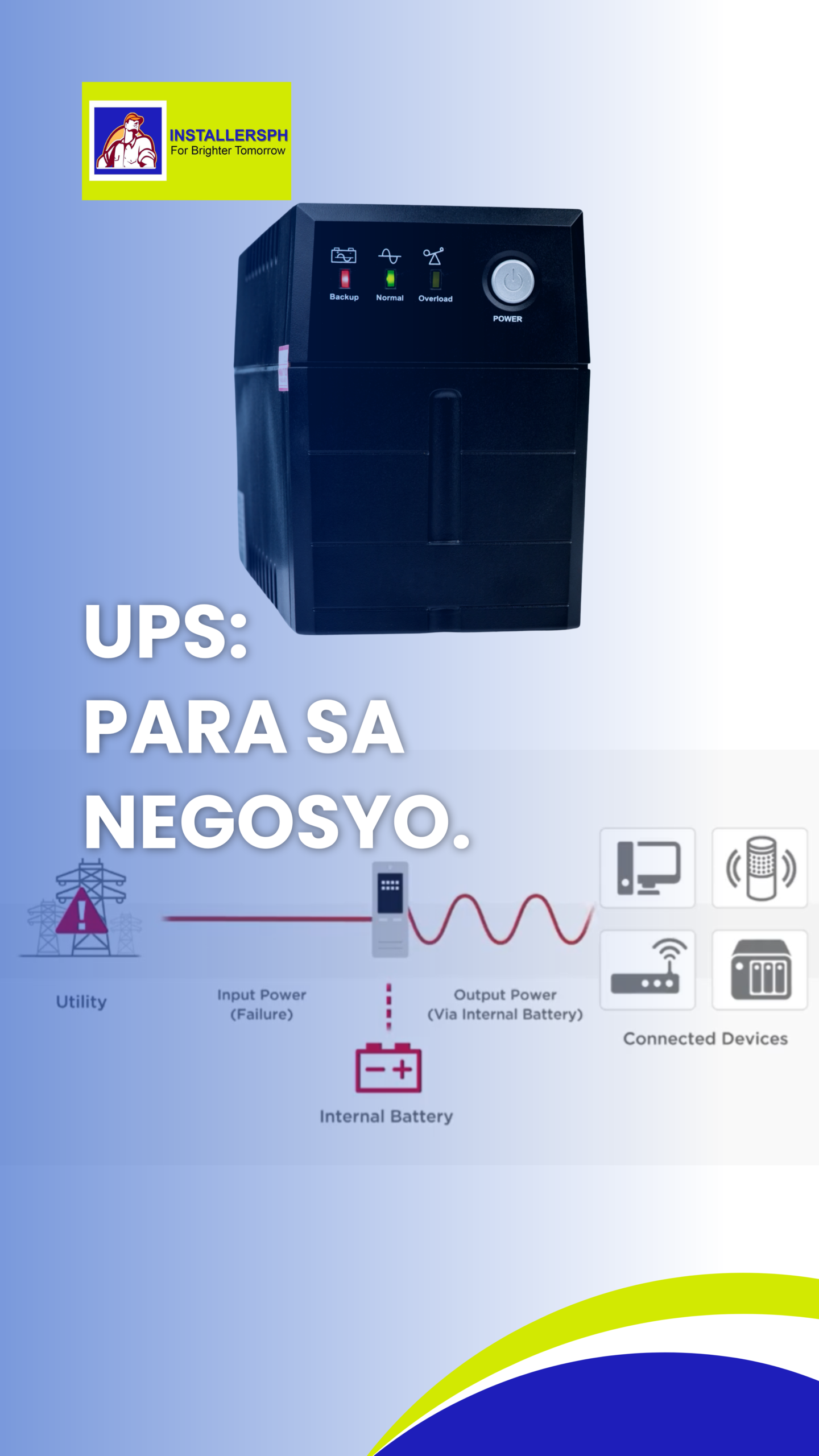
UPS: Para sa negosyo. September 30, 2026 Carol Jhane Canitan Video. https://youtube.com/shorts/vt3LQjM10E0 Why Businesses Need a UPS During Power Interruptions. Introduction. May tindahan, opisina, o negosyong umaasa sa computer, POS, Pisonet, o …
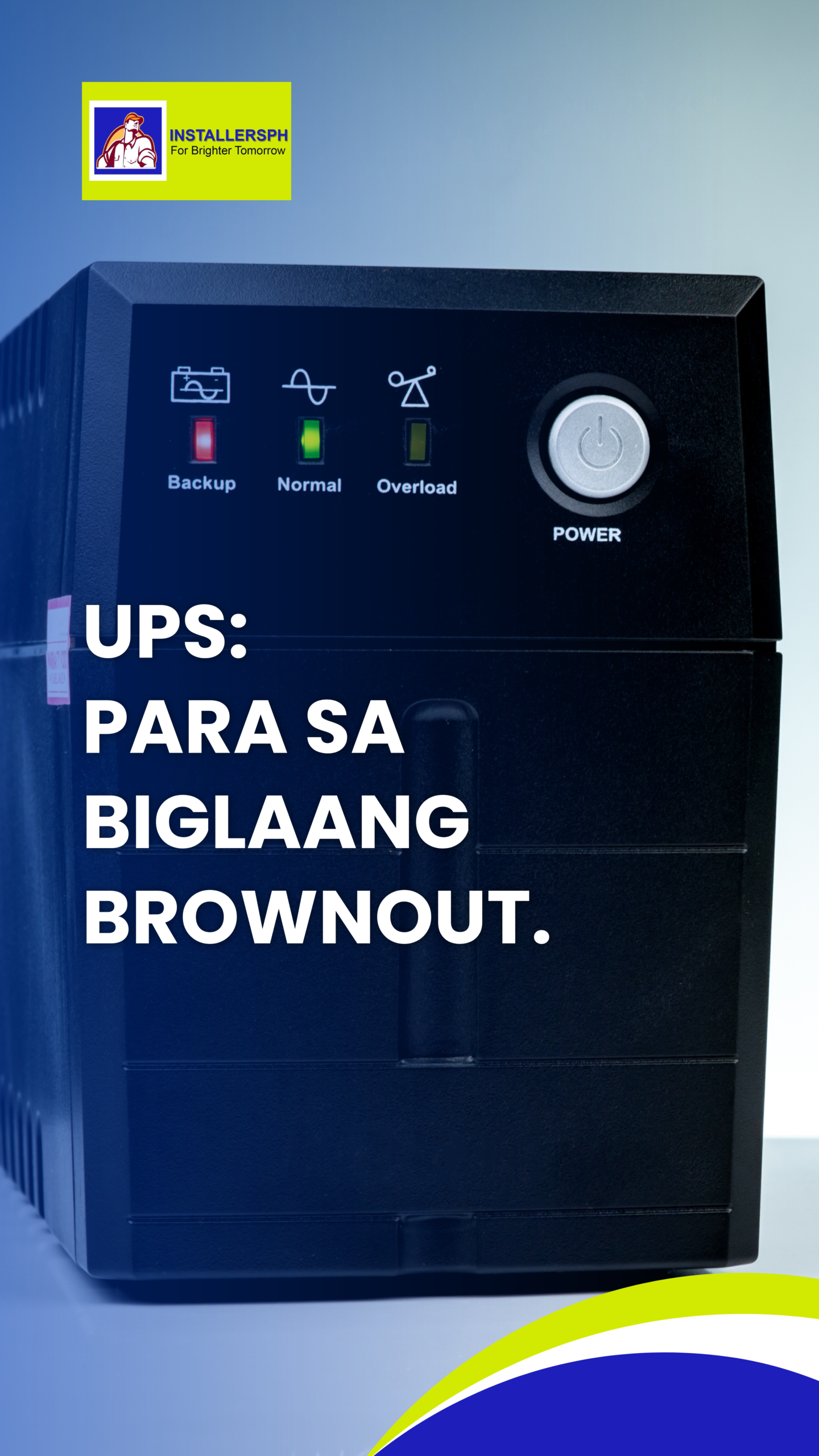
UPS: Para sa biglaang brownout. September 30, 2026 Carol Jhane Canitan Video. https://youtube.com/shorts/JGUg5XN3jZg Why a UPS Is Important for Your Computer During Power Interruptions. Introduction. Biglang nawalan ng kuryente habang may ginagawa …